
Collaborative Learning Project

We support a network of teaching professionals throughout the European Union to promote inclusive education. We develop and disseminate accessible talk-for-learning activities in all subject areas and for all ages.

Project Director: Stuart Scott, 17 Barford Street, Islington, LONDON N1 OQB Telephone +44 (0) 20 7226 8885 Fax available on phone request. Email: stuart.scott@collaborativelearning.org

ALL THESE ACTIVITIES CAN BE DOWNLOADED

They are all pdf files so you will need Acrobat Reader to access them. They are organised so that they are easy to prepare for use in the classroom, and we hope the instructions are clear enough. We are currently trying to provide better descriptions of each activity, so you can select them more easily. We are also providing Quicklooks for new and revised activities. We welcome comments on organising activities.

Foundation and Early Years Activities

All other activities organised by subject area - all key stages since many of the activities will work across a wide age group.

English and Literature Activities

Citizenship Activities

Geography Activities

History/Social Studies Activities

Literacy/Language Arts Activities

Maths Activities

Science Activities


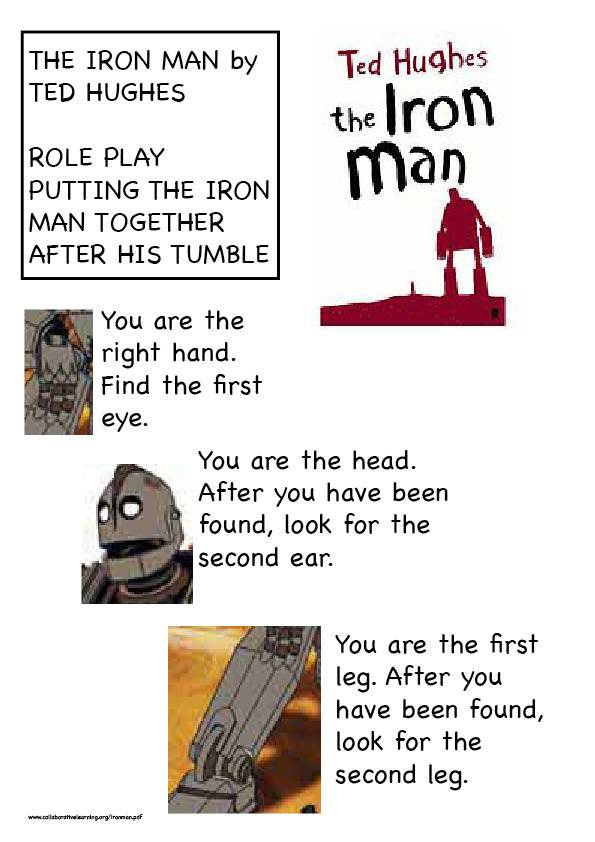
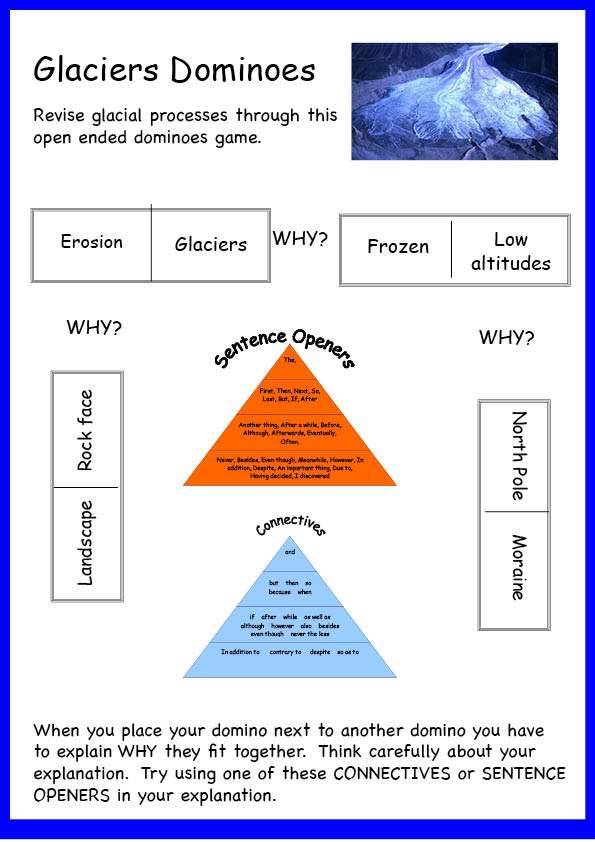
AND PLEASE HELP US TO KEEP THEM UP TO DATE!! Since 1983 the Collaborative Learning Project has run cross-phase, cross-local authority workshops all over the UK and in other European countries for a wide range of subject areas to promote curriculum access, speaking and listening, groupwork and the value and creativity of teachers planning together. We also work in school alongside teachers in partnership mode to develop activities. While being of enormous benefit to bilingual learners (for more information on this go to our brief theory paper), they help to provide thinky environments for all learners, and also stimulate the production of more similar activities by those now called gifted and talented. Take a look at our questions and answers paper about the benefits of collaborative learning. This means that colleagues throughout the world have instant access and can try out and adapt activities. We will provide links to their websites as they are developed. Many of our activities contain a lot of pictures, because we wanted to involve and motivate children learning English as an Additional Language. We are usually working under pressure to produce activities that can be tried out, revised and tried out again, and we simply pasted photocopies from texts or any other pictures from resources we were using in the classroom. Not a very refined method, but it worked at the time. We are now slowly putting all the pictures into our more recent activities, and concentrating on the drawings produced by creative teachers during the long life of the project

We want teachers who cannot attend workshops to get involved in planning collaborative activities. We do not see the activities we provide online as complete, and we want to encourage you to add to them and refine them. They are in pdf format. This means that you can download and print them in exactly the format we planned them in. You can try them out in the form we sent them to you. Pdf does not allow you to edit, but you can paste and copy any changes/additions you want to make. We have in more recent activities added space for you or your students to improve on the activity. What we hope you will do is send your suggestions/additions back to us as an email attachment to <stuart.scott@collaborativelearning.org>, or post them to us and we will add your revisions/additions to the activity.


For access to other parts of the Collaborative Learning site go back to homepage

This webpage was last updated 8th August 2007